
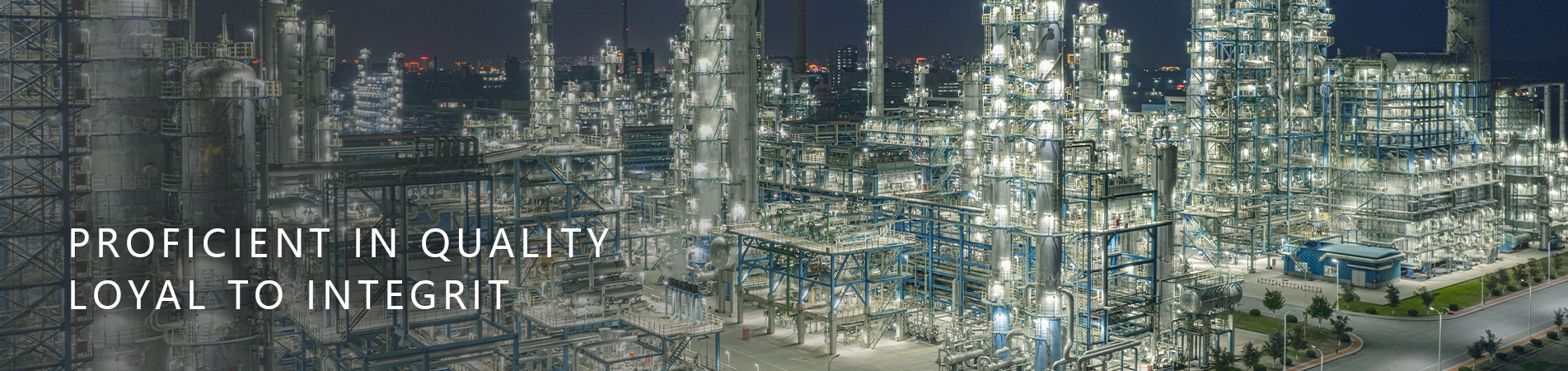
A sour water stripper/amine regenerator tower at a major petrochemical complex in East China had long been plagued by insufficient capacity and high energy consumption. The original tower, packed with conventional random packing, suffered from severe channeling and wall flow after years of operation, leading to poor gas-liquid distribution and diminished mass transfer efficiency. The system pressure drop had increased by approximately 40%, causing a significant rise in reboiler steam consumption. Furthermore, the H₂S content in the regenerated acid gas fluctuated, failing to consistently meet environmental and downstream feed specifications. This tower had become a critical bottleneck limiting the plant's capacity for processing high-sulfur crude oil. The core objective of this revamp was to replace the existing packing with high-efficiency packing without altering the main tower structure, aiming to achieve a 15% increase in capacity, significant improvement in mass transfer efficiency, and reduced system energy consumption.
The efficiency leap was not the result of a single change but a synergistic optimization across three key dimensions: packing selection, material, and system integration, all targeted at the specific process bottlenecks.
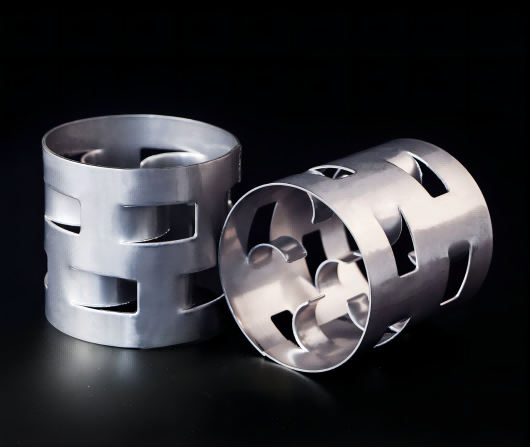
Problem Diagnosis: The original metal Pall Rings showed rapid degradation in liquid film distribution over time in the foaming-prone, viscous amine solution system.
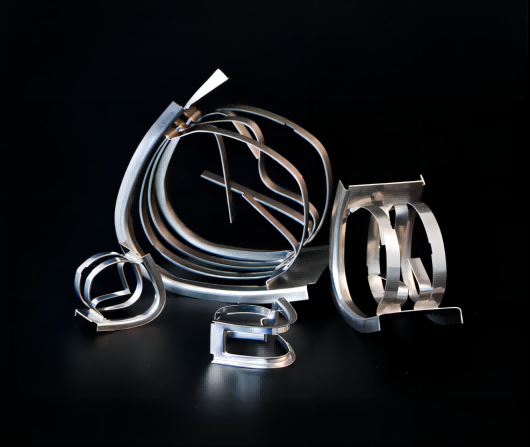
Design Practice: Super Saddle Rings were selected to replace the Pall Rings. Their unique asymmetric saddle geometry offers two core advantages:
Case Data: Hydraulic performance tests indicated that under the same F-factor, the new Super Saddle Rings reduced the Height Equivalent to a Theoretical Plate (HETP) by approximately 18% and lowered the bed pressure drop by 30-35%, establishing the hydrodynamic foundation for the efficiency gain.
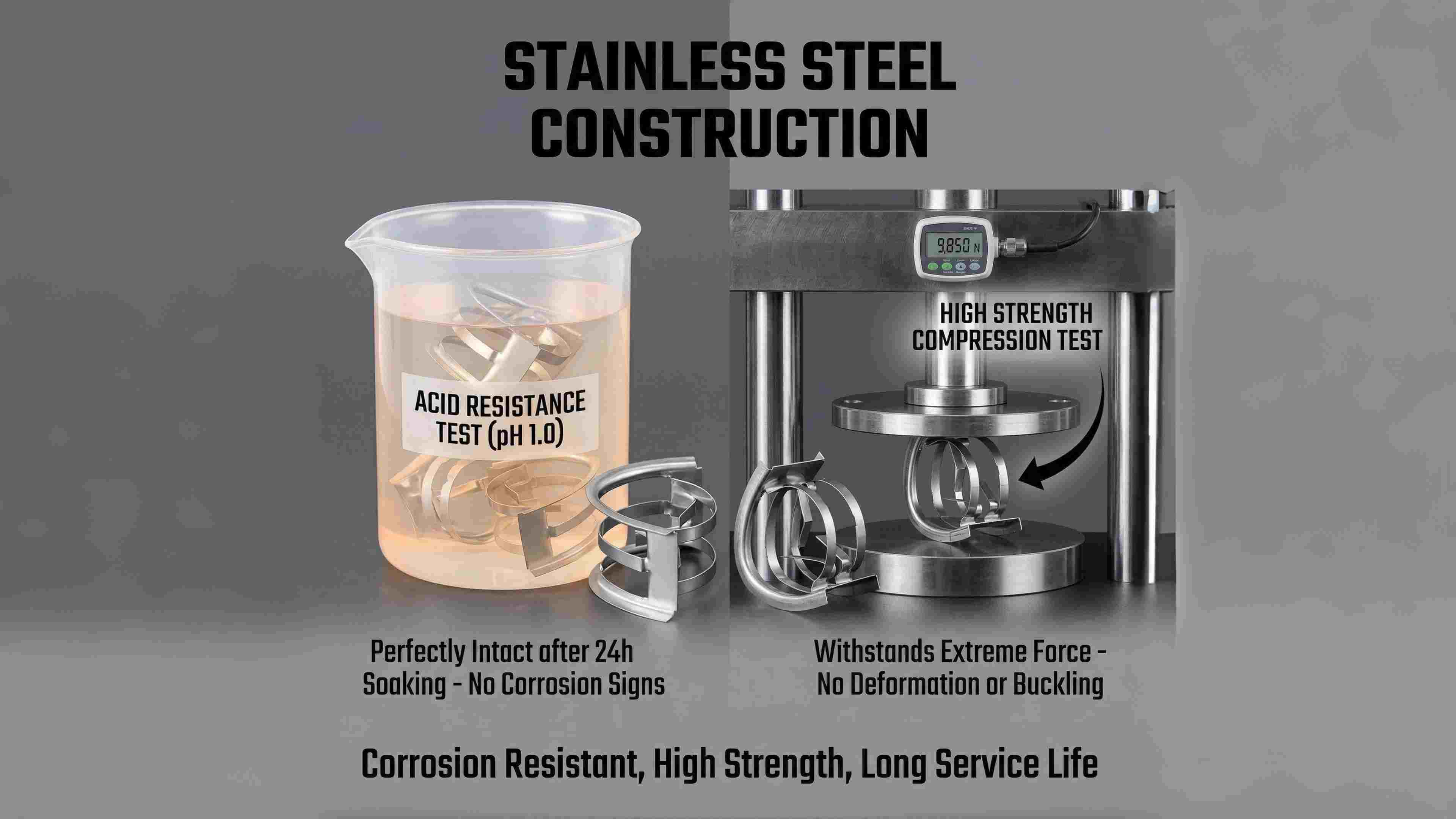
Problem Diagnosis: The original carbon steel Pall Rings faced risks of general corrosion and stress corrosion cracking (SCC) in the amine environment (containing CO₂, H₂S, and trace degradation products). Corrosion products could foul the solvent and clog packing voids, exacerbating channeling.
Design Practice: Carbon steel was replaced with 2205 Duplex Stainless Steel for the saddle rings. This material combines the advantages of austenitic and ferritic grades:
Case Data: Corrosion coupon tests under simulated conditions showed an annual corrosion rate of less than 0.01 mm/year for 2205 Duplex Steel. The expected packing service life increased from 4-5 years to over 10 years, demonstrating a more favorable Total Cost of Ownership (TCO).
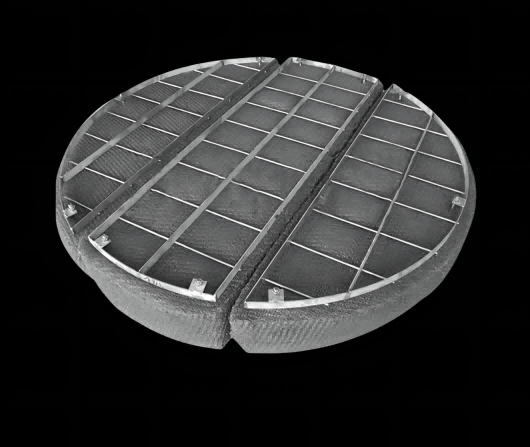
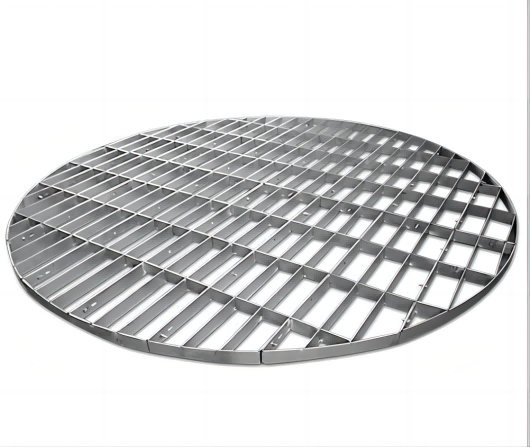
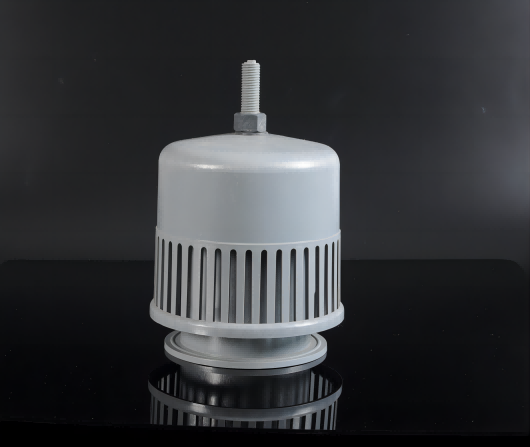
Problem Diagnosis: Merely changing the packing without optimizing supporting internals yields suboptimal results. The original liquid distributor was no longer suitable for the new packing's performance characteristics.
Design Practice:
The project was executed during the 2025 plant turnaround and started up successfully on the first attempt. Key performance indicators after a 6-month performance test run are compared below:
| Performance Indicator | Before Revamp (Pall Rings) | After Revamp (Super Saddle Rings) | Improvement |
|---|---|---|---|
| Processing Capacity | Baseline | +18% | Exceeded Design Target (15%) |
| Regenerated Acid Gas H₂S Concentration | Fluctuating, Avg. ~22% | Stable ≥28% | Mass Transfer Efficiency Significantly Improved |
| Tower System Pressure Drop | Baseline | -32% | Key to Energy Reduction |
| Reboiler Steam Consumption | Baseline | -15% | Significant Annual Steam Cost Savings |
| Operational Stability | Required frequent adjustments | Wide operability window, stable running | Reduced maintenance workload |
Conclusion: This case demonstrates that a chemical tower revamp combining the selection of high-performance Saddle Ring packing, the application of corrosion-resistant alloy materials, and precision system integration design is a reliable pathway to achieving a substantial efficiency leap (approximately 30% comprehensive improvement in this case). This represents not a simple component replacement, but a comprehensive solution rooted in hydrodynamic optimization, materials science, and engineering best practices.
Our engineering team provides end-to-end support from problem diagnosis, process simulation, and design to installation guidance. Contact us to obtain a Feasibility Analysis Report for Packing Optimization tailored to your specific operating conditions.
Request a Free Revamp Consultation Download Full Case Study Report IPv6 network supported Sitemap | XML | Blog | Privacy Policy





 Address : Intersection of Jinguang Avenue and Chongqing Middle Road, Anyuan Industrial Park, Anyuan District, Pingxiang City, Jiangxi
 Tel :
Tel :  Email :
  WhatsApp :